API Orchestration
Service Mesh vs API Gateway for Microservices Traffic
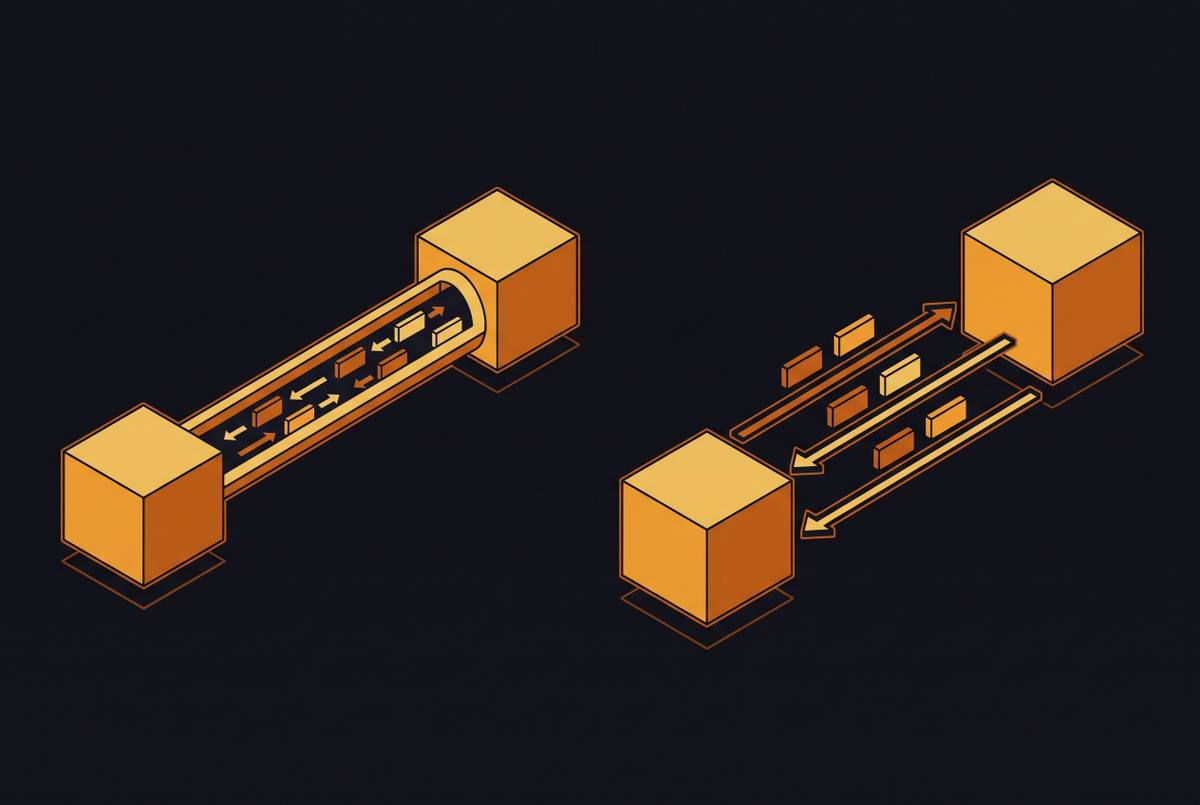
API gateways handle external traffic; service meshes handle internal traffic between services.
· October 5, 2026 · 10 min read
Editorial team
50 stories
API gateways handle external traffic; service meshes handle internal traffic between services.
Webhooks push data to you; APIs make you pull it—choose based on who should control the timing.
Decide which pattern fits your bottleneck before you start extracting.
Understanding the hierarchy prevents reliability promises from turning into legal liabilities.
Only 28 percent of enterprise applications are currently connected to each other.
Early architectural choices in Salesforce integrations fail silently until scale exposes them.
Learn production-ready patterns for authentication, error handling, retries, and timeouts.
REST enables loose coupling between microservices through stateless contracts.
API products face heightened GDPR scrutiny due to complex data flows.
NIST's framework helps teams defend APIs that carry most web traffic today.
Attackers find and exploit leaked API credentials in minutes, and AI tools are making leaks faster.
Integration support drives software purchases more than price or features do.
Coordinate distributed transactions across services with compensating actions and careful isolation.
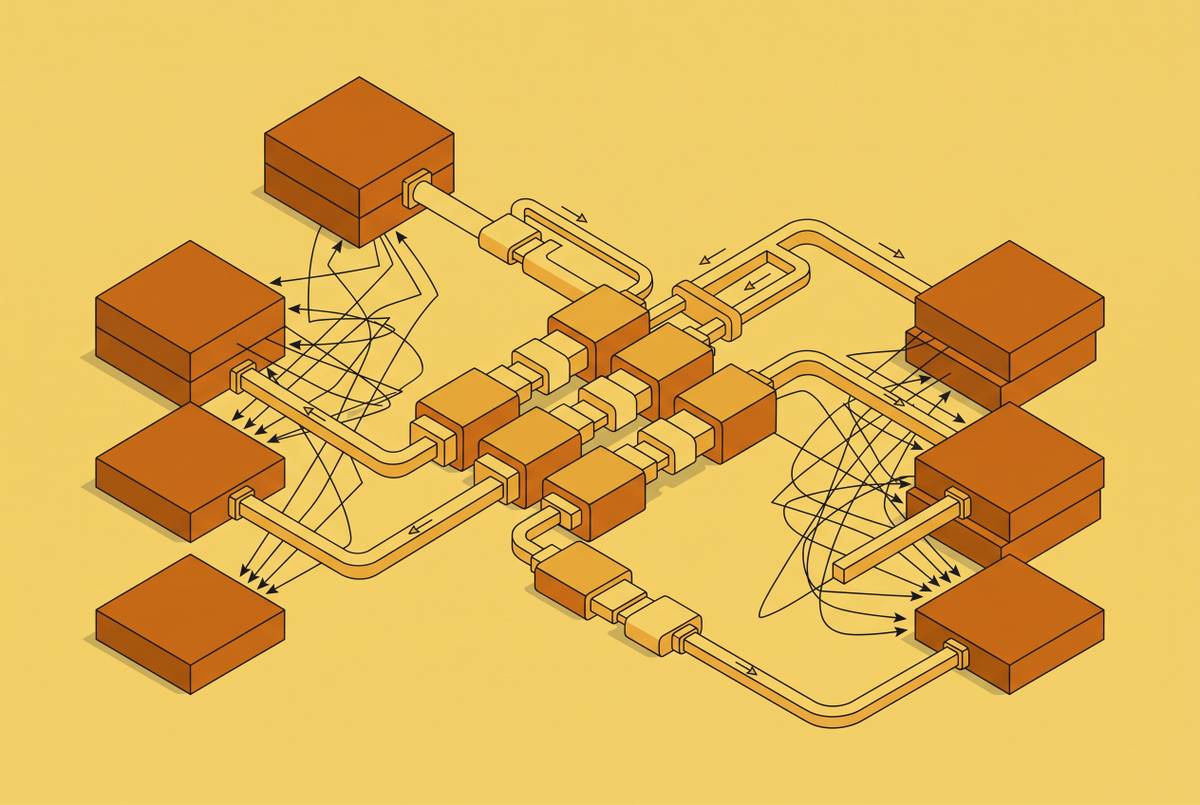
How orchestration layers coordinate multiple backend services into single consistent responses.
Machine-readable metadata and clear ownership prevent duplicate APIs and silent failures at scale.
Discover what Postman load testing reveals about API integration failures.
Choose the protocol based on your data flow, not on which is trendy.
Span volume, context loss, and sampling rules break most OpenTelemetry setups for APIs.
Understanding how third-party failures reshape your SLO strategy and error budget math.
Identifying which structural patterns cause most API failures speeds up diagnosis and fixes.
Traces reveal where requests actually slow down by tracking each service boundary separately.
A poorly structured onboarding costs thousands weekly in lost productivity and early turnover.
Layered testing catches API failures that single-layer strategies miss.
Parallel development without waiting, plus error testing you can't get from live APIs.
Clear documentation cuts the time from signup to a working API call by half or more.
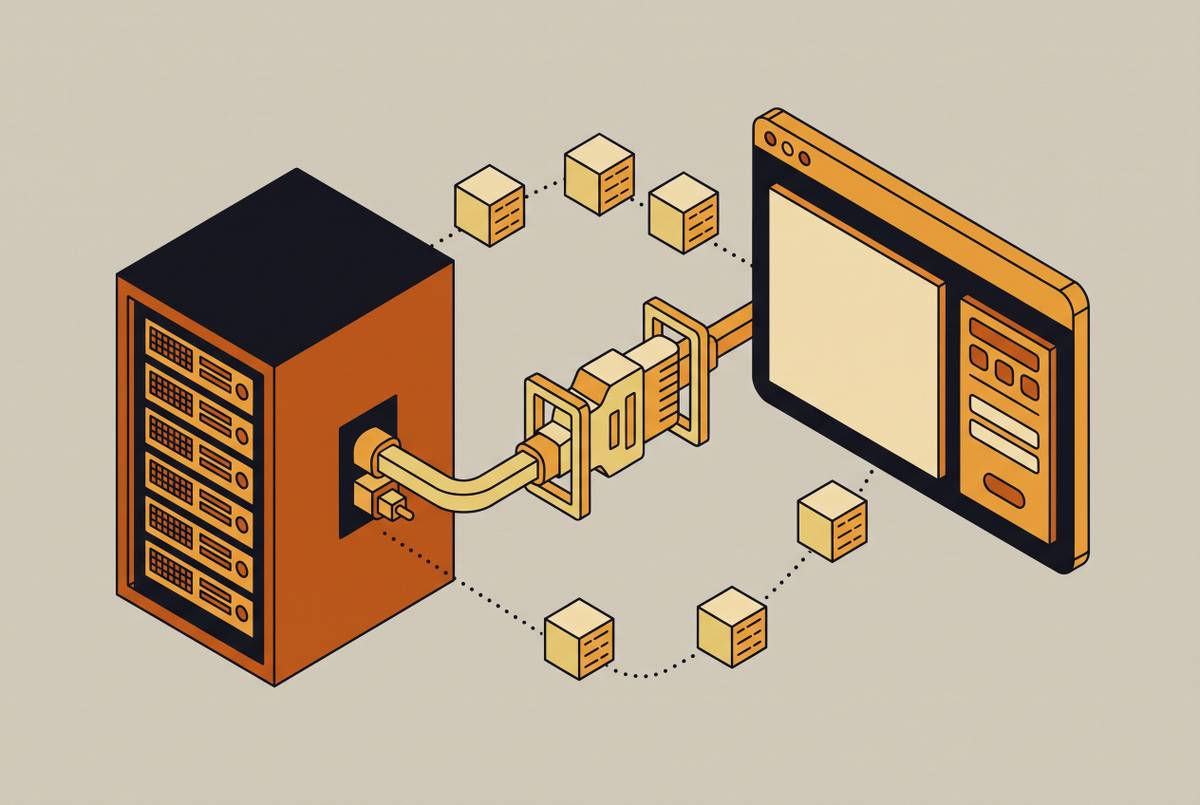
A pattern for reliably connecting frontends to backends through APIs.
Managed connectors eliminate the maintenance work that consumes engineering time.
Recurring patterns explain most integration failures, and four of them hide entirely.
Learn four decisions—authentication, requests, errors.
Learn the critical checks before writing code to avoid integration failures in production.
Maintenance costs balloon quickly and often catch teams off guard.
Choose your API type based on communication pattern, data shape, and latency needs.
A practical framework for choosing the right integration platform for your environment.
Product teams shape integration strategy—not just engineers.
Catch API security gaps before they reach production with this staged review checklist.
Teams can pick from four API connection patterns, each trading speed for control differently.
Detect third-party API failures before your customers do using the signals you can actually measure.
Redact API responses and error messages before they hit your logs or face a data breach.
Monitoring tells you something broke; observability tells you why.
Request-response waits for answers; event-driven fires and forgets.
Matching your constraints to the right pattern beats shopping for vendors first.
Establish integration decisions upfront to prevent the sprawl of 80+ disconnected apps.
Deep integrations lower churn by making customers costly to replace.
A shared vocabulary of patterns solves the same integration problem every decade.
Interoperability isn't optional—it's the structural foundation that prevents 2am outages.
Pick the right integration pattern before choosing your tools, or waste months rebuilding.
Early shortcuts in integration design compound into systemic drag that hiring alone cannot solve.
Connecting systems to payment APIs silently expands your PCI scope far beyond card data itself.
Blocking third-party API access without validating that users own the returned data.
Sophisticated attackers pace their abuse to slip under per-IP limits—here's how to stop them.